

Sensory Toys for Children: 4 Helpful Options for Play, Learning and Sensory Exploration

Play is an important part of childhood development. It gives children opportunities to explore their surroundings, discover new textures, practise hand movements and develop everyday skills. For children with different sensory preferences, the right sensory toys can make play more engaging, comfortable and enjoyable.
Sensory toys are designed to provide different experiences through touch, movement, sight, sound and oral input. Some encourage children to explore objects with their hands, while others provide opportunities for movement, connecting pieces or safe chewing activities.
Children with autism, ADHD and sensory processing differences may have different preferences when it comes to play. Some enjoy colourful construction activities, others prefer tactile fidget toys, and some seek movement or oral sensory experiences. This is why choosing sensory toys according to a child’s individual interests, abilities and safety needs is important.
At Special Squad, we offer a range of sensory and developmental products for children. In this guide, we explore four sensory toys that can support enjoyable play and provide practical opportunities for learning at home or in supervised activities.
4 Sensory Toys Available at Special Squad
Here are four products worth exploring for different types of sensory play:
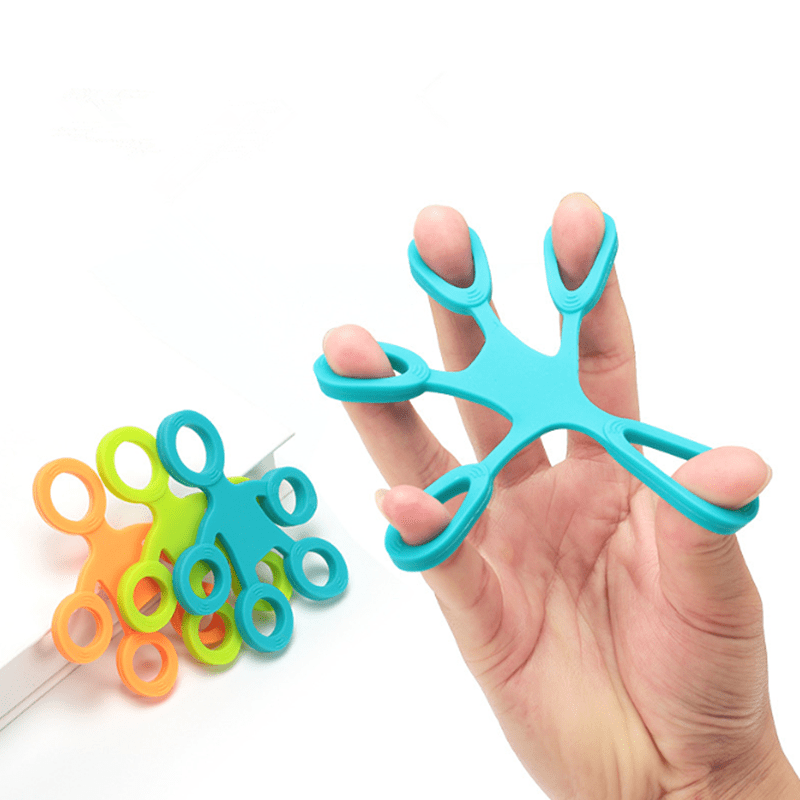
- Finger Sensory Toy – A portable tactile fidget for little hands.
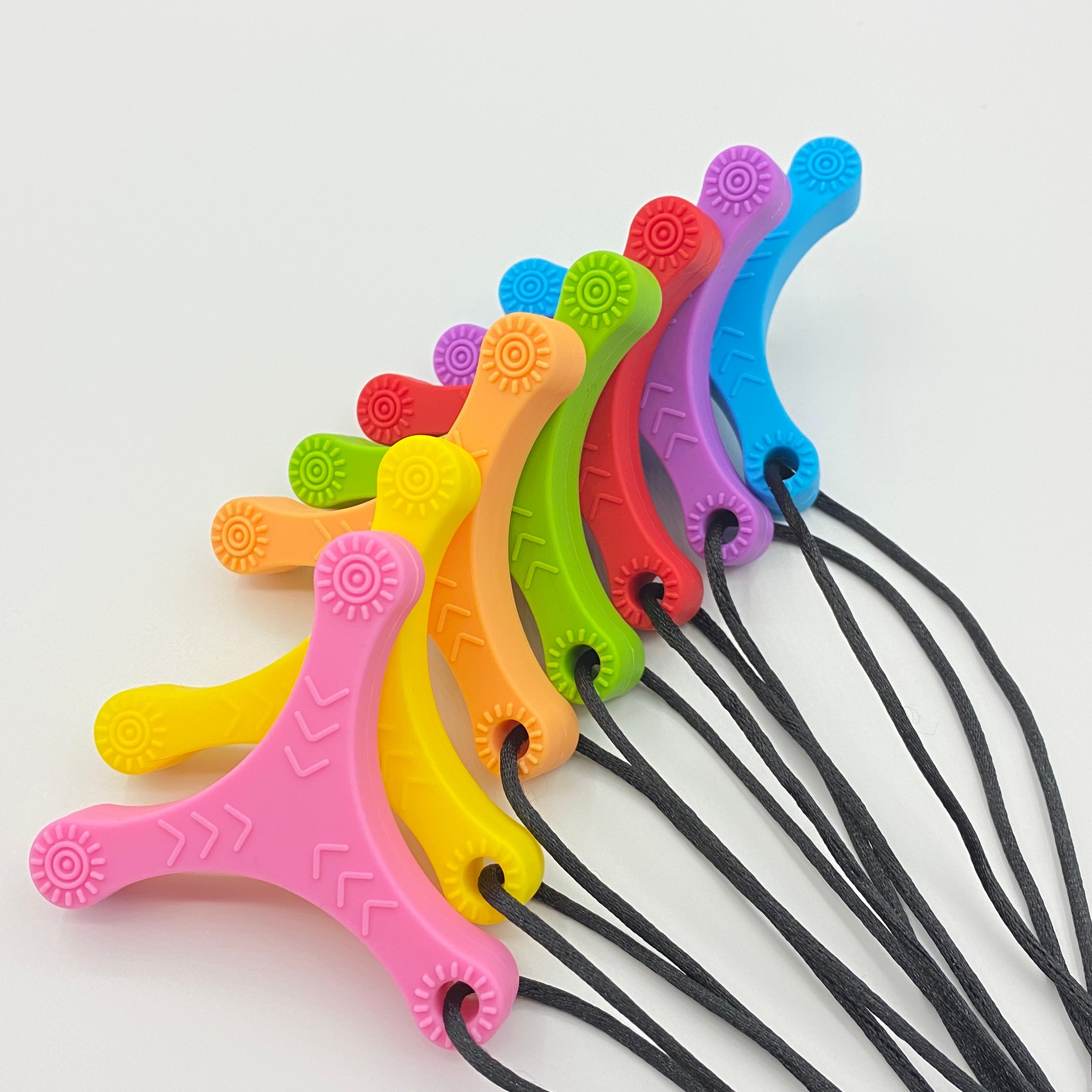
- Chewy Darts Pendant – A wearable option for children seeking oral sensory input.
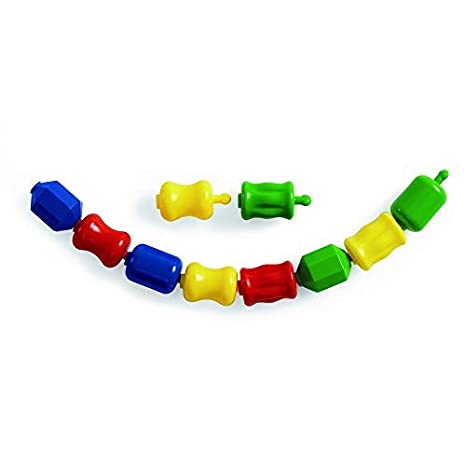
- Snap-Lock Connecting Beads – Colourful connecting beads for hands-on construction and sorting.
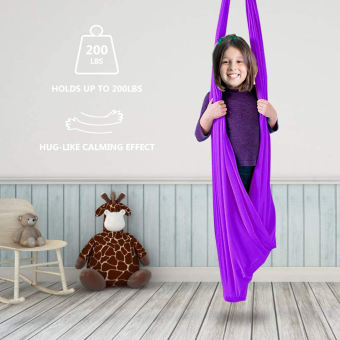
- Kids Therapy Swing – A hammock-style swing for supervised movement activities.
1. Finger Sensory Toy – A Simple Sensory Fidget for Busy Hands
Children who enjoy keeping their hands busy may find small tactile activities particularly interesting. A finger sensory toy provides a simple way to explore a toy through touch and movement without requiring a complicated play setup.
This portable sensory fidget toy may be suitable for children who enjoy handling small objects during quiet activities, breaks or supervised playtime.
Ways to use this sensory toy:
- Offer it during quiet breaks or while waiting.
- Allow children to explore the toy independently at their own pace.
- Incorporate it into simple activities involving choosing, requesting and putting objects away.
- Keep it accessible during suitable play activities if the child enjoys using it.
Every child responds differently to fidget toys. Observe your child’s response and discontinue use if the toy becomes uncomfortable or distracting.
2. Chewy Darts Pendant – Oral Sensory Toys for Children
Some children have a preference for oral sensory experiences and may frequently chew on clothing, pencil ends or other everyday objects. Purpose-designed chew tools can provide an alternative for children who seek appropriate chewing activities.
The Chewy Darts Pendant is a silicone chew necklace designed for oral sensory use. Its wearable design makes it convenient to keep available during appropriate supervised activities.
Benefits and play ideas:
- Provides a purpose-designed object for children who enjoy chewing.
- Can be offered as an alternative to chewing on unsuitable everyday objects.
- Can be incorporated into a consistent routine involving use, cleaning and storage.
- Offers a portable option for appropriate supervised activities.
Important safety information: Always supervise children using chew pendants. Regularly inspect the silicone pendant and cord for damage. Do not allow children to wear the necklace while sleeping or during activities where the cord could become caught. Consider professional guidance when selecting a chew tool for your child.
3. Snap-Lock Connecting Beads – Sensory Toys for Hands-On Learning
Sensory play can also involve building, sorting, connecting and creating. Hands-on construction activities give children opportunities to explore different colours and shapes while practising coordination and problem-solving.
The Snap-Lock Jumbo Connecting Beads set includes 12 colourful, multi-shape beads that connect and pull apart. The simple connecting mechanism creates a repeatable activity that children can explore in different ways.
Fun activities with connecting beads:
- Colour matching: Encourage children to connect beads of the same colour.
- Pattern building: Create a simple red-blue-red sequence and invite your child to continue it.
- Chain making: Connect individual beads to create longer chains.
- Shape exploration: Allow children to explore the different shapes and combinations.
- Turn-taking: Take turns adding beads to a shared chain.
These activities can make sensory play more interactive while providing opportunities to practise fine motor coordination, visual matching and sequencing.
Allow children to experiment with their own designs instead of requiring them to follow one specific pattern. Adult supervision is important for children who may put objects in their mouths. Check the pieces regularly and consider choking risks before use.
4. Kids Therapy Swing – Sensory Movement and Relaxation Activities
Kids Therapy Swing / Sensory Hammock
Movement is another important part of sensory exploration. Some children enjoy gentle swinging and back-and-forth movement, while others may prefer stationary activities.
The Kids Therapy Swing is a soft nylon hammock-style swing designed for indoor use. It can provide an opportunity for supervised movement and quiet-time activities when a child enjoys swinging.
Things to consider before using a sensory swing:
- Ensure the installation point and mounting hardware are appropriate for the intended dynamic load.
- Arrange professional installation if you are unsure about the ceiling structure or mounting requirements.
- Keep the surrounding area clear of furniture and other obstacles.
- Supervise children throughout the activity.
- Begin with gentle movement and follow the child’s comfort level.
The product listing notes that mounting accessories are not included, so installation requirements should be checked separately.
A sensory swing is not a treatment on its own. If you intend to include swinging in a structured sensory activity programme, consult an occupational therapist about its suitability and safe use.
How to Choose the Best Sensory Toys for Your Child
With so many sensory toys available, choosing the right one can sometimes be confusing. Rather than selecting a product simply because it is marketed for autism or special needs, consider your child’s individual preferences and interests.
Here are some useful points to consider:
1. Understand your child’s sensory preferences
Observe whether your child enjoys touching different textures, connecting objects, chewing appropriate items or engaging in movement activities.
According to Autism Speaks’ guide to sensory issues, autistic individuals can have different sensory preferences involving touch, movement, sounds, tastes and other experiences.
2. Choose age-appropriate sensory toys
Consider your child’s age, abilities and developmental stage when selecting a product. Check for small parts, material quality and potential safety concerns.
3. Introduce one toy at a time
Start with one new sensory toy and observe how your child responds. This makes it easier to identify activities they genuinely enjoy.
4. Encourage independent exploration
Allow children to explore sensory toys in their own way. Avoid forcing them to participate in activities they find uncomfortable.
5. Prioritise safety and supervision
Check toys regularly for damage, follow cleaning instructions and supervise activities whenever necessary.
The most suitable sensory toys are those that match a child’s preferences and provide enjoyable opportunities for exploration.
The National Autistic Society’s sensory processing guide also highlights the importance of understanding individual sensory preferences when selecting suitable activities and sensory tools.
Frequently Asked Questions About Sensory Toys
What are sensory toys?
Sensory toys are play products that provide experiences involving touch, sight, sound, movement or oral input. They can offer enjoyable opportunities for sensory exploration, hands-on play and practising everyday skills.
Are sensory toys suitable for children with autism?
Yes. Many children with autism enjoy sensory toys, although preferences vary considerably. Some may enjoy fidget toys, connecting beads or movement activities, while others may prefer different types of play. The right choice depends on the individual child.
What are the best sensory toys for children?
The best sensory toys depend on a child’s interests and sensory preferences. Finger fidgets may suit children who enjoy tactile activities, chew pendants may be considered for appropriate oral sensory needs, connecting beads encourage hands-on construction, and sensory swings provide movement opportunities.
Can sensory toys help children with ADHD?
Some children with ADHD enjoy fidget toys and hands-on activities. These products may provide an enjoyable way to keep their hands occupied, but their effects on attention and behaviour vary from child to child.
At what age can children use sensory toys?
There is no single age that applies to every sensory toy. Always check the manufacturer’s age recommendations, product design and potential choking or other safety risks before allowing a child to use a product.
Do sensory toys replace occupational therapy?
No. Sensory toys can be incorporated into everyday play and activities, but they do not replace professional assessment or an individual therapy program. An occupational therapist can help identify suitable sensory activities for a child’s needs.
For additional guidance, the American Occupational Therapy Association (AOTA) provides professional resources about sensory processing and occupational therapy interventions.
Explore Sensory Toys at Special Squad – Pakistan
Finding the right sensory toys can open up new opportunities for children to explore, play and develop everyday skills. Whether your child enjoys tactile fidget activities, oral sensory exploration, connecting colourful objects or gentle movement, choosing suitable products can make playtime more engaging.
At Special Squad, we aim to make sensory and special-needs products more accessible to families in Pakistan.
Explore our collection:
Visit Special Squad to discover sensory toys and special-needs products for children across Pakistan.