A calm down corner at home is a quiet, comfortable space where an autistic child can rest, reset and feel safe when the world becomes too loud, bright or busy. It does not need a separate room or an expensive set-up. A small, well-planned corner can be enough.
In this guide you will learn what a calm down corner is, what research actually says about sensory spaces, how to build one step by step in a Pakistani home, which calming tools you can add, and how to keep it safe. Every idea is based on guidance from autism organisations, NHS services and university research, and all sources are linked at the end of the article.
Quick Answer: How to Set Up a Calm Down Corner
- Choose a quiet spot away from the TV, kitchen and street noise.
- Keep the lighting soft and the space uncluttered.
- Add soft seating and only a few items your child genuinely likes.
- Introduce it when your child is calm, and never use it as a punishment.
- Ask an occupational therapist before using items such as weighted blankets.
What Is a Calm Down Corner?
A calm down corner, also called a sensory corner or low-arousal space, is a small area set aside for rest and self-regulation. Self-regulation simply means helping the body and mind return to a calm, comfortable state. Clinics and schools often use dedicated sensory rooms, which Cardiff University researchers describe as spaces containing equipment that adjusts the environment and offers stimulation across different senses (Cardiff University). A home corner is a simpler, quieter version of the same idea.
It is not a time-out spot and it is not a consequence for difficult behaviour. Think of it as a space your child can choose, much like an adult might step into a quiet room after a stressful day.
Why Many Autistic Children Benefit From a Quiet Space
Sensory differences are very common in autism. An NHS children’s service in London notes that studies suggest roughly 70 to 90 percent of autistic people have ongoing sensory sensitivities (Chelsea and Westminster NHS Foundation Trust). A child may be over-sensitive to some senses, under-sensitive to others, or a mix of both, and this can change from day to day.
The National Autistic Society explains that autistic meltdowns are very different from temper tantrums, and that common triggers include sensory differences, changes in routine, anxiety and communication difficulties (National Autistic Society). In other words, a meltdown is a response to overwhelm, not bad behaviour. A calm space gives your child somewhere to recover and, over time, can help them notice the early signs of overload and ask for a break.

What Does the Research Say About Sensory Spaces?
The evidence is encouraging but mixed, so it is worth knowing both sides before you invest time and money.
- Guidance exists. The Wales Autism Research Centre at Cardiff University developed what it calls the first evidence-based guide to using sensory rooms with autistic children. It draws on interviews and surveys with educators and on studies with 41 autistic children aged 4 to 12 (Cardiff University).
- Choice matters. A 2022 study in the journal Autism examined what happens when autistic children have control over sensory changes in multi-sensory environments, a reminder that children should have a say in how their space works (Unwin, Powell and Jones, 2022).
- Some results are positive. A 2024 study in Cureus compared 306 Lebanese children who received sensory room therapy alongside conventional therapy with 242 who received conventional therapy alone. The combined group showed greater improvement in sensory and motor scores, and most parents rated the approach as helpful (Awaida et al., 2024). This was a clinic-based study, so it does not prove that a particular home set-up will work for every child.
- Results vary by child. Middletown Centre for Autism notes that evidence on effectiveness is limited, that benefits may owe as much to the supportive relationship with a trusted adult as to the equipment, and that a multi-sensory room can calm one child while overwhelming another (Middletown Centre for Autism).
The honest takeaway: a calm down corner is a flexible support, not a treatment or a cure. Build it around your child’s own preferences, watch how they respond, and adjust.
How to Create a Calm Down Corner at Home: 7 Steps
1. Pick the Right Spot
Look for a quiet corner away from the TV, the kitchen and busy doorways, but still within an adult’s sight so you can check on your child. In many Pakistani homes, rooms are shared and space is limited, and that is fine. A corner of a bedroom, the space beside a cupboard, or an area screened off with a curtain can work well.
2. Lower the Light and the Noise
Soft natural light or a warm lamp is usually gentler than a bright tube light, and flickering lights are best avoided. Heavy curtains, rugs and a closed door all help reduce sound. Local authority guidance on low-arousal spaces also stresses keeping the area calm and simple, with fewer things competing for attention (Worcestershire County Council). This can be especially useful during Eid visits, weddings and other noisy family gatherings.
3. Make It Soft and Comfortable
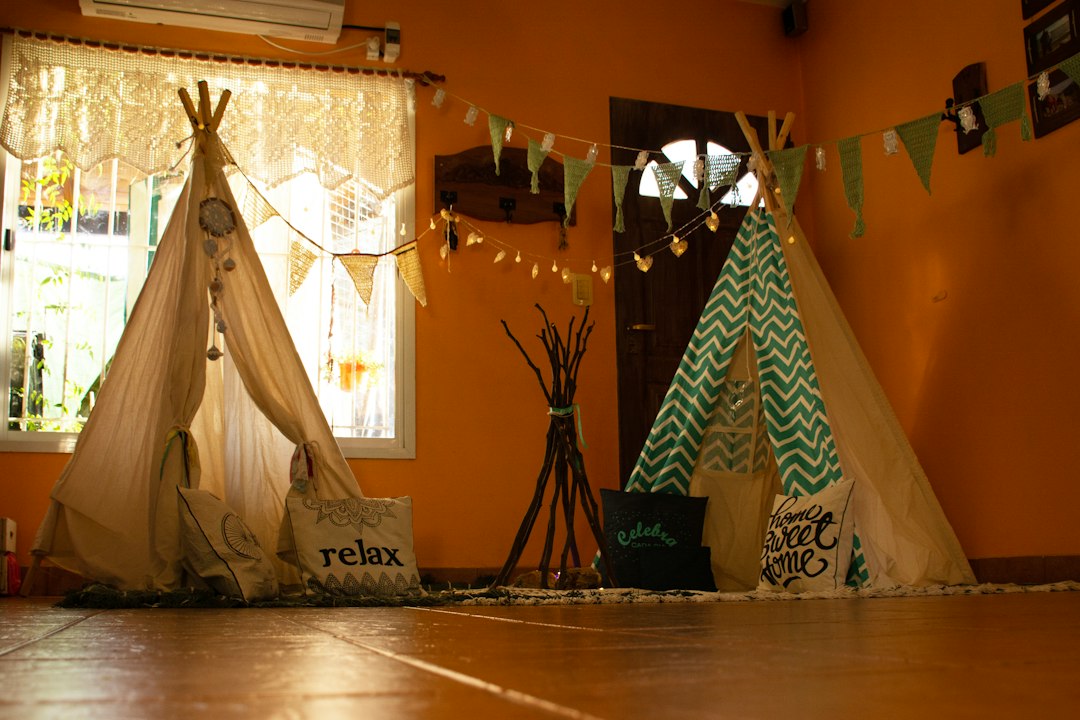
Floor cushions, a beanbag, a clean quilt or a small play tent can turn a corner into a cosy retreat. Some children like to curl up in a small enclosed space, while others prefer something more open. Take care with weighted blankets: the same Worcestershire guidance says they should only be used under the direction of a suitably qualified occupational therapist.
4. Build a Small Calm-Down Kit
Keep three to five items in a basket or box. The Worcestershire tip sheet suggests building a toolkit around materials your child finds pleasant, for example putty or slime for children who seek touch, or items that give light pressure. Match the kit to your child’s sensory preferences: touch, movement, chewing or quiet visual activities. Rotate the items now and then so the corner stays interesting without becoming crowded. You will find product ideas in the next section.
5. Add Simple Visual Supports
Picture cards showing actions such as breathe, squeeze, drink water or rest can help children who find it hard to use words when overwhelmed. A visual timer or a short countdown can also make it easier to leave the corner. NHS occupational therapy guidance on sensory regulation recommends verbal or visual cues, plus a motivating next activity, to help a child move on afterwards (East London NHS Foundation Trust).
6. Let Your Child Help Choose
Invite your child to pick the cushions, colours and items. Children who help build the space are more likely to see it as theirs. Watch what they gravitate towards: some children prefer very active, physical input, while others prefer to cocoon. If your child avoids the corner or seems more distressed there, change the set-up rather than insisting.
7. Introduce It Calmly and Keep It Pressure-Free
Show your child the corner when they are relaxed, not in the middle of a meltdown. Explore it together, play there for a few minutes, and let them leave whenever they like. Present it as a helpful place, never as a punishment. Over time, you can gently suggest it at the first signs of stress, such as covering ears, pacing or becoming unusually quiet. If bedtime is a struggle, you may also find our guide to sleep problems in autistic children helpful.
Calming Tools You Can Add to Your Calm Down Corner
Every child is different, so start with one or two items and see how your child responds. These products from Special Squad are popular additions to a sensory corner in Pakistan. Always follow the age guidance on each product page and supervise use.
Sensory Therapy Swing (Hammock)
Some children find gentle, rhythmic movement calming. Our Kids Therapy Swing, a soft nylon sensory hammock, is designed for supervised movement and quiet-time activities indoors. Mounting accessories are not included, so it must be installed with hardware that is properly rated for the load. Ask a professional installer if you are unsure.
Snap-Lock Jumbo Connecting Beads
Snapping beads together and pulling them apart gives children a satisfying, repetitive hands-on activity. This set of 12 jumbo snap-lock connecting beads also supports hand-eye coordination, patterning and colour matching.
Jumbo Chain Links
Linking colourful chain links into a long chain is a quiet, predictable activity that many children enjoy. Our set of 20 jumbo plastic chain links hooks together and pulls apart easily, and also builds visual focus, sorting, counting and patterning skills.

FingerMax Finger Paint Brush
Messy, creative play can be deeply absorbing for children who love touch. The FingerMax multi-colour rubber finger paint brush is designed for use with tempera paint and supports creative sensory play and fine motor practice. Keep painting for a table or a washable mat near the corner, rather than inside the quiet area itself.
Chewy Darts Pendant (Chew Necklace)
Some children seek oral input and chew clothing, pencils or other non-food items. A purpose-made option such as our Chewy Darts Pendant silicone chew necklace can offer a safer outlet. Adult supervision and regular checks of the product are essential, and wearable chew items should be removed during sleep.
Want more ideas? Browse our full Sensory Toys for Autism collection, or read our guides to choosing sensory toys in Pakistan and sensory toys that make playtime more meaningful.

Safety Checklist for Your Calm Down Corner
- Check the recommended age on every product and supervise young children.
- Anything that hangs, such as a swing, must be fixed with hardware rated for the weight.
- Keep cords, curtain ties and long strings out of reach.
- Avoid small parts that could be swallowed.
- Inspect chew items often and stop using them if they are damaged.
- Keep the floor tidy so your child cannot trip when moving in or out.
When to Ask an Occupational Therapist for Help
A calm down corner works best alongside professional guidance, not instead of it. Speak to an occupational therapist or your child’s doctor if meltdowns are frequent or intense, if your child hurts themselves or others, or if the corner does not seem to help. UK health and education guidance on sensory spaces recommends referral to an occupational therapist who can advise on an individual programme, and that is sound advice wherever you live. If you are still looking for an assessment or support, our guide to autism in Pakistan: early signs, diagnosis and where to find support explains where to start.
Frequently Asked Questions About Calm Down Corners
What is a calm down corner for autistic children?
It is a small, quiet and comfortable area at home where an autistic child can rest and recover from sensory overload or strong emotions. It is chosen by the child, not used as a punishment.
Do I need a separate room for a calm down corner?
No. A quiet corner of a bedroom, a space behind a curtain or a small play tent is enough. What matters most is that the space feels calm, safe and predictable for your child.
What should I put in a calm down corner?
Start with soft seating such as cushions or a quilt, then add three to five items your child enjoys, such as a tactile toy, a chew item if appropriate, and simple picture cards. Avoid overcrowding the space.
How do I teach my child to use a calm down corner?
Introduce it when your child is calm, explore it together, and let them leave freely. Later, gently suggest it at the first signs of stress. Praise visits and never force your child to stay.
Is a calm down corner the same as time-out?
No. Time-out is a consequence. A calm down corner is a supportive tool that helps a child regulate their senses and emotions. It should always feel safe and welcoming.
How much does a calm down corner cost in Pakistan?
It can cost very little. Cushions, quilts and curtains you already have at home are a good start, and you can add specialist sensory items gradually as you learn what your child likes.
Final Thoughts
A calm down corner is one of the simplest ways to give an autistic child a safe place to rest. It does not have to be perfect or expensive, and it should always follow your child’s lead. Start small, observe what helps, and involve an occupational therapist where you can.
At Special Squad, we aim to make sensory and special-needs resources easier to find for families across Pakistan. Explore our sensory range to find calming tools for your child’s corner.
Disclaimer: This article provides general educational information and is not medical advice. Sensory products do not treat or cure autism. Please consult a qualified healthcare professional or occupational therapist for individual guidance.
Sources and Further Reading
- National Autistic Society: Meltdowns, a guide for all audiences
- Cardiff University (Wales Autism Research Centre): Sensory room guide for autistic children
- Unwin, K. L., Powell, G. and Jones, C. R. (2022). The use of multi-sensory environments with autistic children. Autism, 26(6), 1379 to 1394
- Awaida, I. et al. (2024). Evaluating the efficacy of combining sensory room and conventional therapies for Lebanese children with autism. Cureus
- Middletown Centre for Autism: Use of multisensory rooms
- Worcestershire County Council: Low arousal space ideas (tip sheet)
- Chelsea and Westminster NHS Foundation Trust: Sensory processing difficulties
- East London NHS Foundation Trust: Soft play room, sensory regulation at school
- Special Squad: Raising an autistic child, daily struggles and blessings
Photos by gladys rovetta, Annie Spratt, Jonathan Borba and Helena Lopes on Unsplash.